CallLocationsQuote
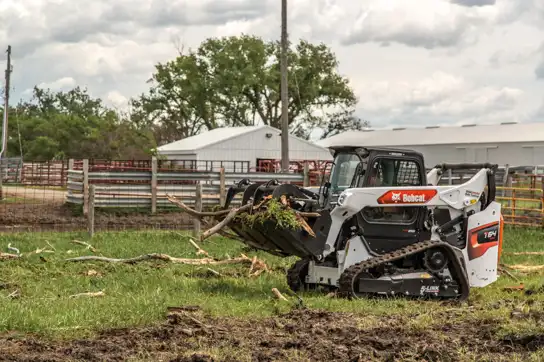
Bobcat T86-2 Pro compact track loader operating with a drum mulcher

Five loader types · one Oregon Bobcat team

Bobcat loaders, built around the ground.

Tracks, tires, articulated steering, machine width, and lift geometry solve different problems. Start with the site and Graham Equipment will help narrow the right loader type.

North Bend · Salem · Eugene

Loader selection starts below the machine

Five machine types. Five different answers.

A loader family is not a ladder from small to large. Each architecture changes how the machine travels, turns, carries, reaches, and treats the surface below it.

Ground
Traction, travel, flotation, and surface disturbance
Envelope
Width, turning room, lift path, and dump height
Work cycle
Material, attachment, distance, and daily production

Compare Bobcat loader types

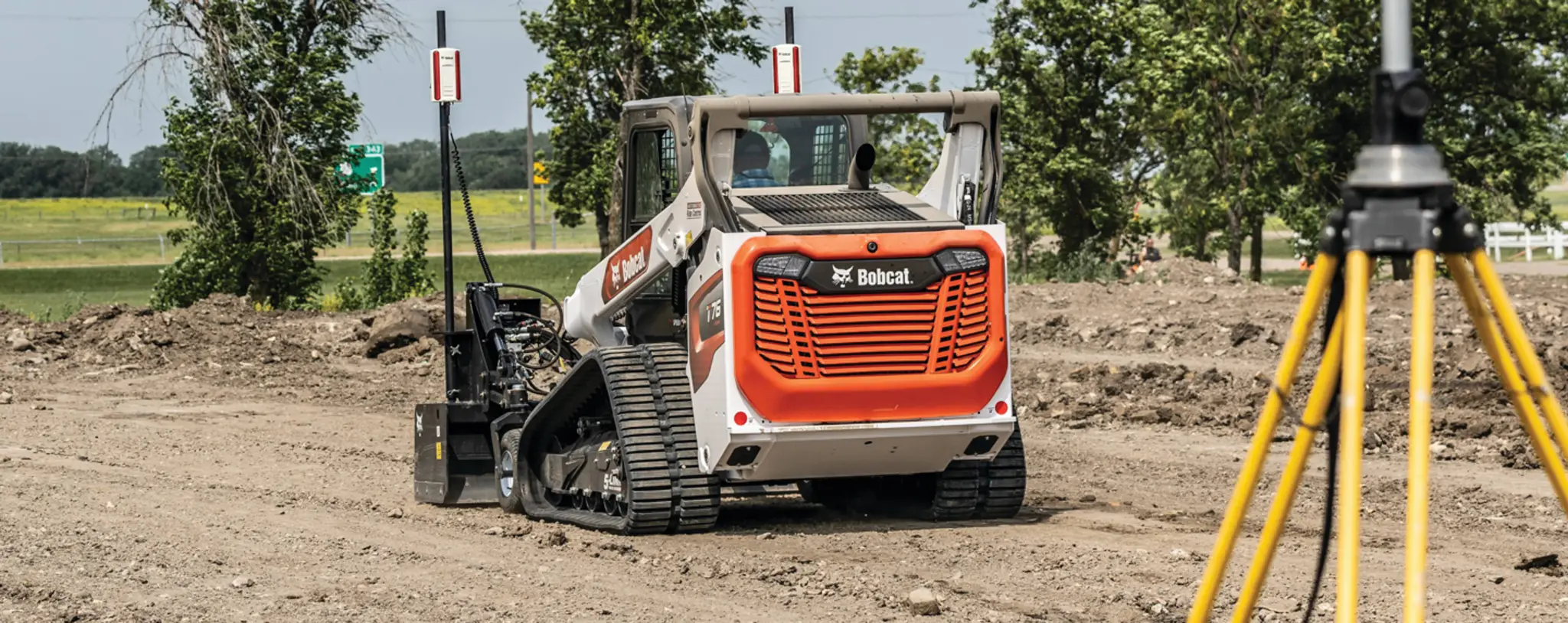
Bobcat T86-2 Pro compact track loader grading a jobsite

When the surface changes by the hour

01

Put more footprint between the machine and the ground.

Compact track loaders are the traction-focused choice for soft, uneven, or changing conditions. Match the machine around lift, access, hydraulic demand, attachments, and how much surface disturbance the job can tolerate.

Soft ground · Uneven sites · Attachment work

Compare Classic and Pro loaders
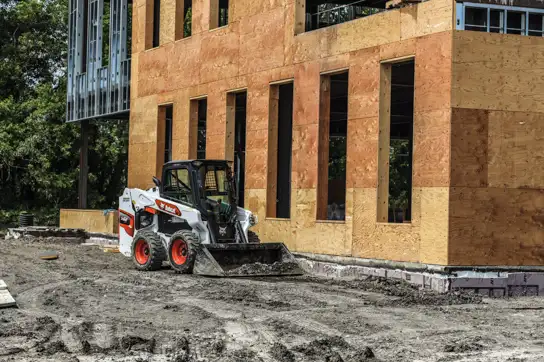
Bobcat skid-steer loader unloading sod with pallet forks

When firm ground rewards quick cycles

02

Turn tighter. Travel faster. Keep material moving.

Skid-steer loaders favor maneuverability and fast travel on firm surfaces. The right fit comes from tire choice, rated capacity, lift path, dump target, attachment demands, and the space available to turn.

Concrete · Asphalt · Compacted surfaces

Explore skid-steer loaders
Bobcat MT100 mini track loader on a white background

When the gate is the first constraint

03

Bring attachment capability into narrow work.

Mini track loaders put compact dimensions and a stand-on operating position to work in landscaping, cleanup, material handling, and other access-limited jobs. Machine width, surface, lift, travel path, and work-tool fit define the useful setup.

Narrow access · Landscaping · Cleanup

Compare mini track loaders
Bobcat compact wheel loader with a bucket on a white background

When the work is load, carry, and repeat

04

Choose the travel cycle before the bucket size.

Compact wheel loaders pair articulated maneuverability with lift-and-carry work. Material density, loading height, route distance, surface, attachment, and daily cycle count should drive the conversation.

Load and carry · Stockpiles · Material yards

Explore compact wheel loaders
Bobcat small articulated loader with a bucket on a white background

When finished property still needs real work

05

Maneuver tightly without treating turf like a jobsite.

Small articulated loaders are built around tight turning, useful reach, and turf-friendly material handling. Compare access, ground sensitivity, lift target, attachment use, and the operator's daily route through the property.

Turf · Grounds work · Property maintenance

Compare small articulated loaders

A useful loader conversation

Bring four answers. Leave with a shortlist.

Graham Equipment can compare loader types around the real job before you spend time discussing configurations or pricing.

01

What is under the machine?

Describe mud, sand, turf, gravel, concrete, asphalt, slopes, seasonality, and how much disturbance the surface can tolerate.

02

Where must it fit?

Measure gates, doorways, aisles, turn areas, dump clearance, trailer limits, overhead restrictions, and the full travel route.

03

What must it move or power?

Bring the material, weight or density, lift and dump target, attachment list, hydraulic requirements, and expected daily cycle.

04

Who supports it after delivery?

Include operator preferences, service access, seasonal workload, transport, and the Graham Equipment location that will support the machine.

Three stores · one Oregon team

The right loader still needs the right local support.

Start with the store closest to the work. Graham Equipment can help with loader selection, configuration, ordering, parts, and service through North Bend, Salem, and Eugene.

Before model numbers

Four loader questions worth asking first.

These answers define the starting point. Product details, options, and compatibility still vary by model and configuration.

  1. 01

    Which Bobcat loader is best for soft or uneven ground?

    A compact track loader is commonly the starting point when traction, flotation, and lower ground pressure matter. Machine size, slopes, lift requirements, and attachments still need to be matched to the job.

  2. 02

    When is a skid-steer loader a better fit?

    Skid-steer loaders are designed for agile work on firm surfaces where fast travel, tight turning, and a tire undercarriage are useful priorities.

  3. 03

    What loader types work well around finished property?

    Small articulated loaders are designed for tight turning with minimal ground disturbance, while mini track loaders can bring attachment capability through narrow access. The surface and task determine the better fit.

  4. 04

    Can Graham Equipment help match a loader and attachment?

    Yes. Share the carrier, attachment, material, hydraulic demands, and work conditions so the Graham team can help confirm a compatible configuration before ordering.

Start with the site—not the model number

Show us where the loader has to work.

Bring the ground, access, material, lift target, attachments, and workload. Graham Equipment will help narrow the right Bobcat path.

Choose a Store